Home · Learn
Things worth understanding
Written for my own students, presented here free in the hope people find it useful. If you’d like to run through it with an instrument, why not book a lesson.
6 articles
Piano, and the grade ladder
What the exams actually ask for, how long it takes, what it costs, and how to choose between the two boards.
-
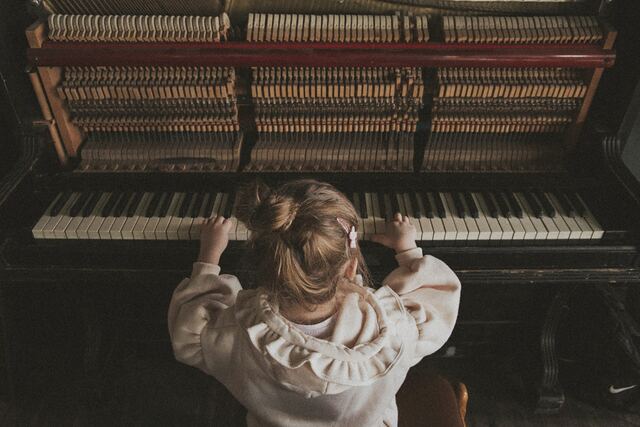 Choosing a Grade 1 piano programme Three pieces carry two-thirds of the marks. How to pick them for the player in front of you rather than off the top of the list — and the deadline in the small print that decides it in late 2026.
 -
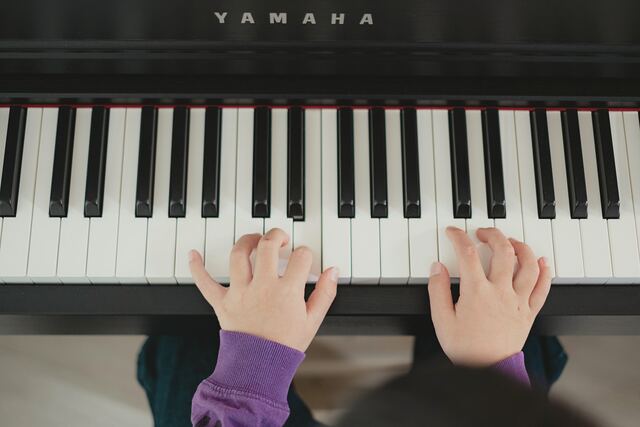 How long does it really take to learn the piano? Both exam boards publish how many hours each grade takes, and they agree to the hour. An honest answer built on their numbers rather than on an invented average.
 -
 Learning the piano as an adult What adults find easier than children, what they find harder, the one skill where starting late genuinely costs you — and why it matters far less than it sounds.
 -
 ABRSM or Trinity? How to choose Same qualification, same UCAS points, same published hours — and two differences that decide it for most students. Neither board is harder than the other.
 -
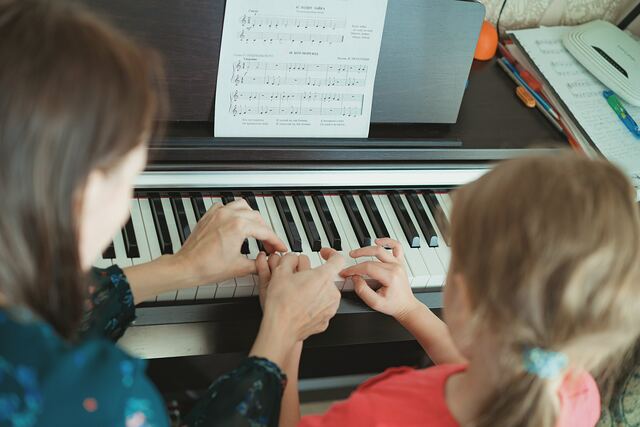 What piano lessons cost in the UK Not another unsourced national average — the published prices from Surrey and Kingston, what actually moves a private teacher’s rate, and the checklist that matters more than the hourly figure.
 -
 Bach’s Two-Part Inventions: which to learn first, and what they teach you Not where anybody starts — where you go when you can already play the piece you came for, and want to know how music works underneath.


5 articles
Reading, theory and practice
The skills that make everything else quicker — and the one exam that blocks the way to Grade 6.
-
 Do you even need the tadpoles? Playing first, reading music later — or never You do not have to start with the dots. Why the piece you love is a better door than the page, what the research on quitting says about it, and when reading is worth learning — and when it simply is not.
 -
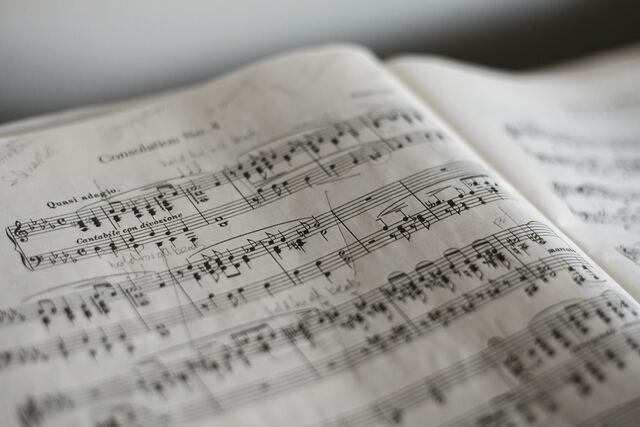 How to read sheet music: the order that actually sticks Rhythm first, then the stave as one ladder rather than two lists of letters. What fluent readers do differently, and the ten minutes a day that builds it.
 -
 Sight-reading: how to actually get better at it Ninety-two studies say the same slightly deflating thing about what works. The one habit, the four exercises that add to it, and three that I watch students waste time on.
 -
 Grade 5 music theory: what it is, why it blocks you, and how to pass it The exam that stops you entering Grade 6 practical — what it actually tests, how long it really takes, and the order to learn it in.
 -
 What is counterpoint? Two pieces that will teach you to hear it Several melodies at once, all of them meaning something. Two recordings, a few timestamps, and what to listen for in each.


3 articles
Guitar
Built from my own worksheets: the shapes worth knowing, and why the chords underneath decide what you are hearing.
-
 Guitar scales and modes: the only shapes you need, and why the chords decide Four movable shapes, one set of notes, and the reason the same seven notes can sound wistful, bright or Spanish without you moving a finger differently.
 -
 The minor pentatonic: why taking two notes away makes you sound better The minor pentatonic is the minor scale with two notes removed — and they are the two that can sound wrong. Where nearly every guitar solo you love comes from.
 -
 What chords are in each key — all twelve, on one page Seven chords per key, the same pattern every time. The table, the one column you can ignore, and the two chords from outside the key that turn up constantly.


3 articles
Indian classical music
The tradition I went to India to study, explained for people coming to it from Western music.
-
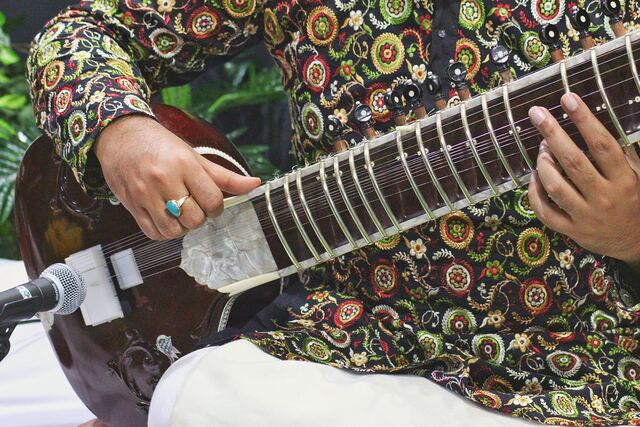 What is a raga? A short, honest answer Not a scale, not a key, and not quite a mode. What a raga actually is, from someone who went to India to find out.
 -
 What is a dilruba? The bowed voice of North Indian music Bowed, fretted, and strung with more sympathetic strings than most people have fingers. What it is, what it sounds like, and why it very nearly sings.
 -
 Starting the sitar: what to know before your first lesson Sitting, the mizrab, the two different instruments people mean by “sitar”, what one costs, and the origin story that everybody repeats and the scholarship rejects.


Lessons, if you would rather be taught it
Reading about music is a poor substitute for someone watching your hands.
See lessons