Home · Lessons
How lessons work
The practical details in one place — what a lesson costs, how long it lasts, and what happens the first time you come.
Choose an instrument
Everything below applies whichever you pick. The instrument pages go into what is different about each one.
-
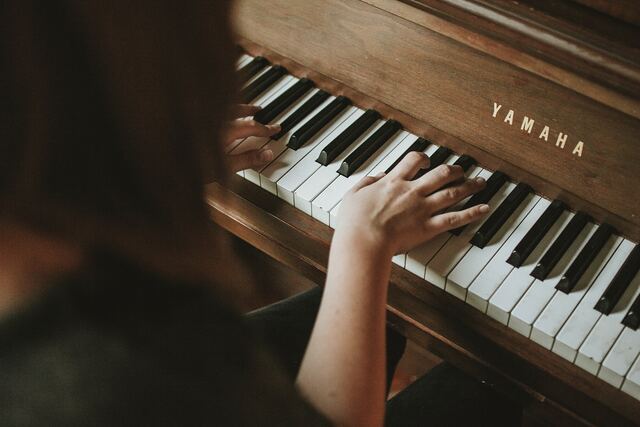
Piano
We start with a piece of music you actually love, and work out what it takes to play it. That is the whole method. Children and adults, first notes through to Grade 8 and beyond — and the technique arrives because the tune asked for it.
Piano lessons →
-

Guitar
Bring me the song. Acoustic, electric or classical — most people arrive with a few chords and one piece they badly want to get right, and that is the best possible place to start.
Guitar lessons →
-
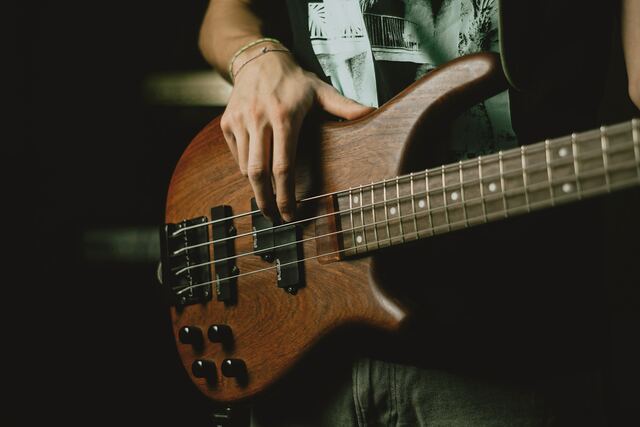
Bass guitar
Bass is the instrument most people underrate and every band needs. It is quick to sound useful on and takes a lifetime to sound good on, which makes it unusually satisfying to learn.
Bass guitar lessons →
-

Ukulele
The ukulele is the least intimidating instrument I teach and the quickest to get a song out of. Four strings, soft on the fingers, and small enough for a child of five or six to hold properly.
Ukulele lessons →
-
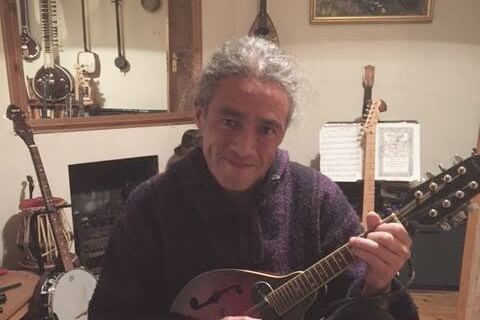
Mandolin
Eight strings in four pairs, tuned like a violin, played like a guitar. The mandolin is quick to get a tune out of and endlessly deep once you are in — and hardly anybody around here teaches it.
Mandolin lessons →
-
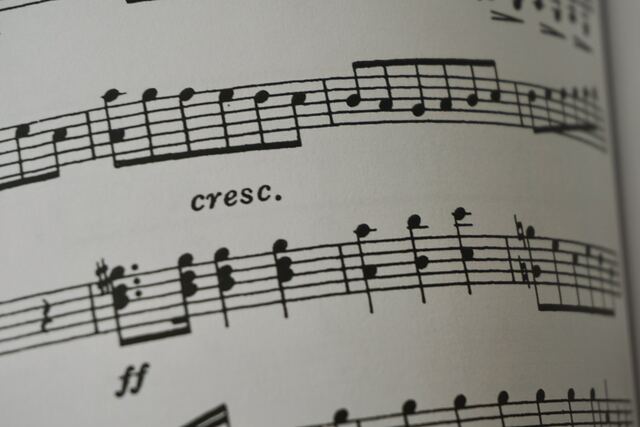
Music theory
Most people who come to me for theory come because ABRSM will not let them sit Grade 6 practical without a Grade 5 theory pass. That is a bad reason to learn something genuinely interesting, and I try to fix that on the way through.
Music theory lessons →


The first lesson
The first lesson is mostly me listening. I want to know what you can already do, what you have tried, and — the question that matters most — what made you want lessons in the first place. If there is a particular piece behind it, bring it. Beginners need bring nothing at all.
By the end of it you will have played something, and you will leave with one specific thing to do during the week rather than a vague instruction to practise.
Length and price
Prices are being confirmed. Ask and I will tell you straight away.
Half an hour is right for a child under about nine and often for theory alongside an instrument. Forty-five minutes suits most children from ten upwards. An hour is what most adults settle on, and it goes faster than you expect.
Terms, cancellations and holidays
Lessons are normally weekly and follow the Surrey school terms, which keeps things simple for families. Blocks and one-offs are possible — useful if you are preparing for something specific, or if your work makes a fixed slot unrealistic.
If you need to cancel, as much notice as you can manage is appreciated and I will always try to move the lesson rather than lose it.
Exams
I prepare students for ABRSM, Trinity and — for electric guitar and bass — Rockschool. They are not interchangeable, and I will give you an honest view of which suits a particular student before anybody pays an entry fee. Exams are entirely optional: they are useful when a deadline helps and counterproductive when they turn playing into homework.
One thing worth knowing early, because it catches people out: ABRSM will not let you enter Grade 6 practical and above without a pass at Grade 5 theory. It is much easier to deal with two years ahead of time than two months. Here is what that involves.
Where
Lessons are in Thames Ditton. Travel, the studio and the areas I cover are set out on their own page.